Rest in today’s world often revolves around scrolling, consuming, or watching something on a screen. Moments that were once quiet and unstructured are now easily filled with endless content. That is why I have been intrigued by the growing trend of “grandma hobbies” among Gen Z.
It can be understood as a movement that encourages people to step away from screens and rediscover slower, hands-on ways of spending time.
What are Grandma Hobbies?
Grandma hobbies refer to simple, traditional activities like knitting, crocheting, baking, gardening, or solving crossword puzzles. These are hobbies that many of our grandmothers once practised as part of everyday life.
These hobbies are rituals of presence that will help you spend time intentionally. This can be considered as an antidote to mindless scrolling.
Peeling a basket of apples (for making jam) or untangling yarn requires a level of focus that “locks” the mind into the present. You cannot scroll and quilt at the same time. The hobby creates a physical boundary that protects your peace.
Grandma hobbies are a way to love yourself and take care of yourself.
Sometimes, I find myself overwhelmed and unsure of what to do when I am not scrolling or consuming content. Of course, I have built the habit of reading, but engaging in hobbies other than reading would feel like a waste of time to a mind that has been trained to feel guilty whenever it is not being “productive.”
Lately, however, I have been experimenting with a gentler approach to productivity, one that allows me to honour my needs and disconnect from the constant pull of the digital world.
The first time I consciously decided to stay off my phone, the empty space felt long and uncomfortable. With nothing to scroll through, the minutes stretched slowly. But after a while, that quiet boredom began nudging me toward small, meaningful activities like baking something simple, making bookmarks, doodling, or solving the crossword puzzle in the newspaper. I rediscovered my interests and filled my days with meaningful moments.
Tomorrow, I will be making Nepali chatpate (a spicy and tangy snack) as a ritual to disconnect after work.
How Grandma Hobbies Reflect Class and Culture
Although the idea of “grandma hobbies” is often presented as a cozy lifestyle trend, these activities are deeply shaped by class and cultural contexts.
Historically, many of the tasks that are now romanticized as hobbies such as knitting, preserving food, sewing, were not leisure activities at all. For working-class households, these practices were practical skills that helped families survive economically.
Knitting sweaters, mending clothes, or making jam from seasonal fruits reduced household expenses and ensured that resources were not wasted. In contrast, in more affluent contexts, similar activities could be practiced as leisurely crafts rather than economic necessities.
Cultural traditions also shape what counts as “grandma hobbies.” In many Western contexts, activities such as quilting patchwork blankets in rural America, knitting wool sweaters in Scandinavia, or baking sourdough bread in European households are commonly associated with grandmothers.
In South Asian households, however, similar generational practices take different forms. Grandmothers may spend afternoons shelling peas for dinner, drying red chillies or turmeric in the sun, making pickles and chutneys for the season, or hand-rolling papad and spice blends.
In East Asian cultures, older generations might ferment foods such as kimchi in Korea or miso and pickled vegetables in Japan, while in parts of Africa and Southeast Asia, grandmothers may weave baskets, pound grains, or prepare preserved foods for the household.
Today, however, these same activities are being rediscovered in a completely different way. Young people are picking them up not out of necessity, but as a conscious choice and as a way to slow down, step away from digital noise, and reconnect with simple forms of creativity and care.
So, here’s a list of unique grandma hobbies that seem to be making a comeback.
Unique Grandma Hobbies That Are Making a Comeback

Baking Nostalgic Recipes
This hobby focuses on simple, comforting recipes like tea cakes, fruit loaves, jam tarts, or butter biscuits. Many grandmothers baked not just for special occasions but as part of everyday care for the family. Recreating these recipes today can feel grounding, especially when the kitchen fills with familiar, comforting smells.
Fermentation
Fermentation is an ancient kitchen craft that is returning as a modern hobby. Whether making pickles, kimchi, yogurt, or sourdough, the ingredients slowly transform over time. The process teaches patience and reminds us that some things are best created by working with time rather than rushing it. In Nepali cuisine, foods like gundruk, a fermented leafy green made from mustard or radish leaves, and kinema, a fermented soybean dish are common examples.
Embroidery and Hand Stitching
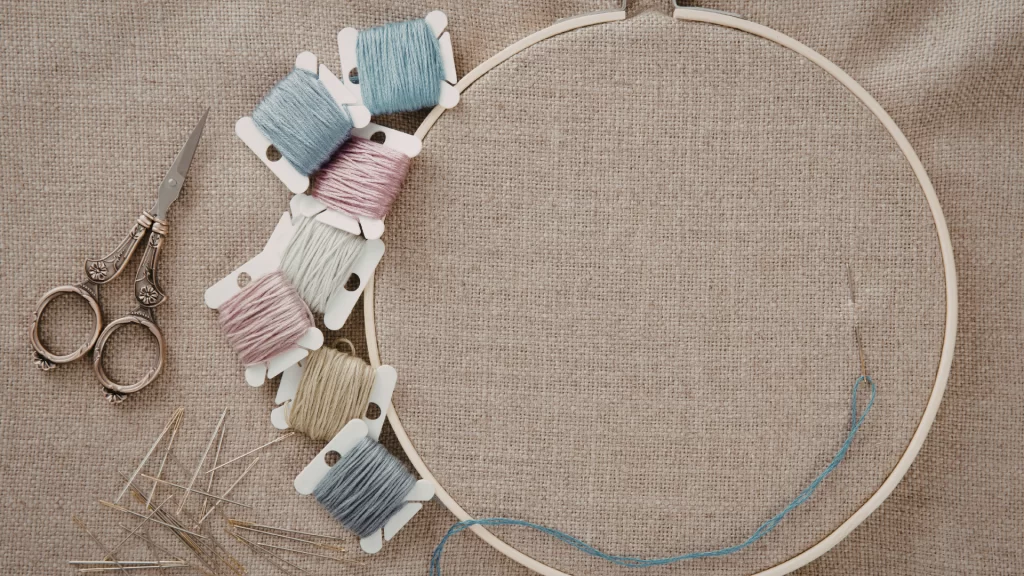
Embroidery transforms simple fabric into something personal and beautiful. Whether stitching flowers onto a handkerchief or mending clothes creatively, the repetitive motion can feel calming. It also reflects a mindset of care, repair, and creativity rather than constant consumption.
Visible Mending (Sashiko)
Visible mending, inspired by the Japanese practice of sashiko, repairs worn clothes with decorative stitches. Instead of discarding garments, the repair becomes part of the design. It reflects a philosophy of sustainability and respect for everyday objects.
Crossword Puzzles and Word Games
Before smartphones, many people spent quiet moments solving crossword puzzles in newspapers or puzzle books. These games encourage patience and playful thinking. They offer gentle mental stimulation without the overwhelm of digital information. I like spending time solving Sudoku puzzles.
Gardening or Growing Herbs
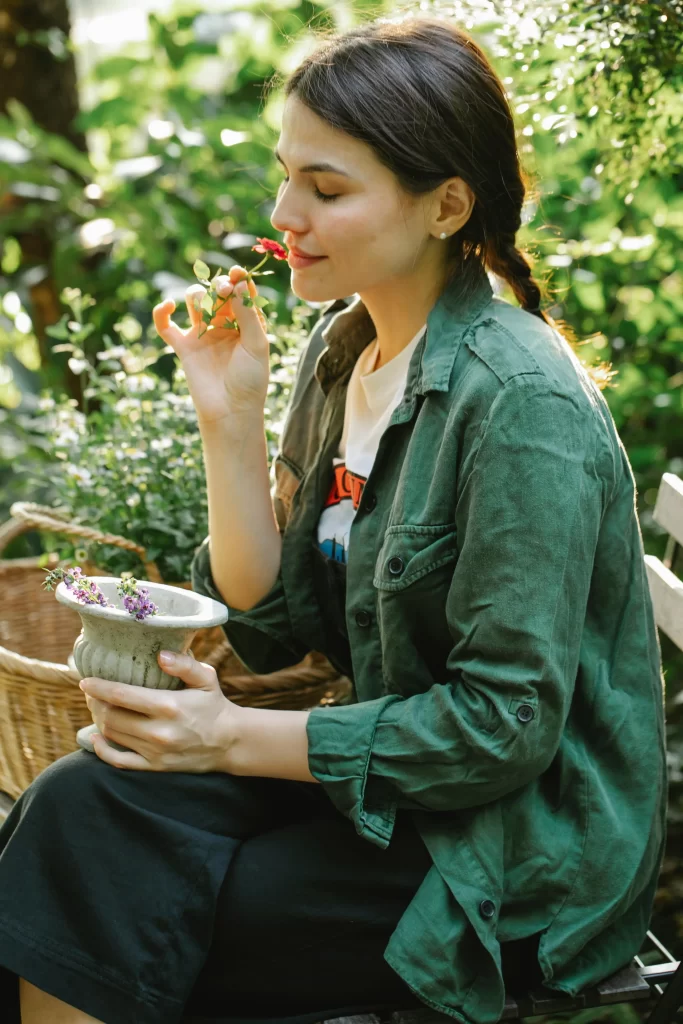
Grandma hobbies often involve nurturing something slowly. Gardening even a few herbs on a windowsill teaches patience and attentiveness. Watching basil, mint, or coriander grow day by day creates a small but satisfying connection with nature. My mother’s favourite hobby is gardening and I love seeing her take care of her plants and flowers, even though we don’t have a huge space for a garden. During Covid lockdown period, we harvested fresh cucumbers for the first time from our terrace garden and we were all so proud of it.
Writing Letters
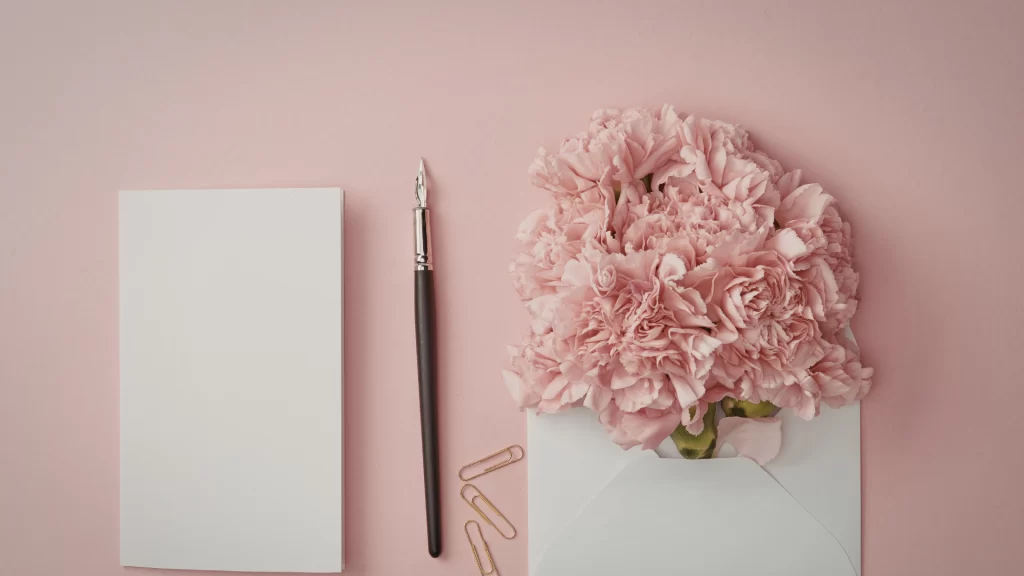
Letter writing is also a thoughtful and almost forgotten form of communication. I have spent my teenage years writing letters to my friends, sisters and also to my boyfriend as there was no Whatsapp then. Taking time to write a handwritten note encourages reflection and intention. Unlike quick text messages, letters become keepsakes that can be revisited years later.
Scrapbooking and Memory Keeping
Scrapbooking collects fragments of life photographs, ticket stubs, pressed flowers, or handwritten notes and arranges them into a visual story. Many grandmothers preserved memories this way long before digital photo albums. Today, it offers a creative alternative to endlessly scrolling through photos.
Birdwatching
Birdwatching encourages quiet observation of the natural world. Even from a balcony or window, noticing the birds that visit your surroundings can become a peaceful routine. Over time, recognizing their colours and calls becomes a quiet source of curiosity and joy. Feeding pigeons and crows in the afternoon is a part of my father’s everyday routine since many years. Didn’t really strike me that he was already practising slow living and mindfulness without any labels or proclamations.
Pressing Flowers
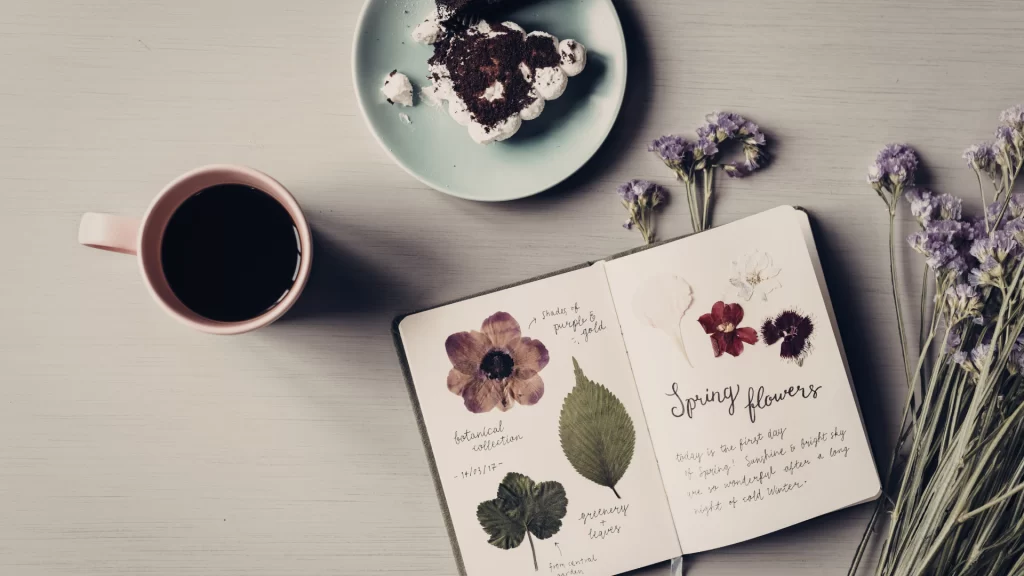
Flower pressing is a quiet hobby that invites you to slow down and notice small details in nature. Flowers or leaves are placed between book pages and left to flatten over time. The preserved blooms can later decorate journals, bookmarks, greeting cards, or framed art. The slow process itself feels gentle and meditative.
Knitting While Listening to Music or Radio
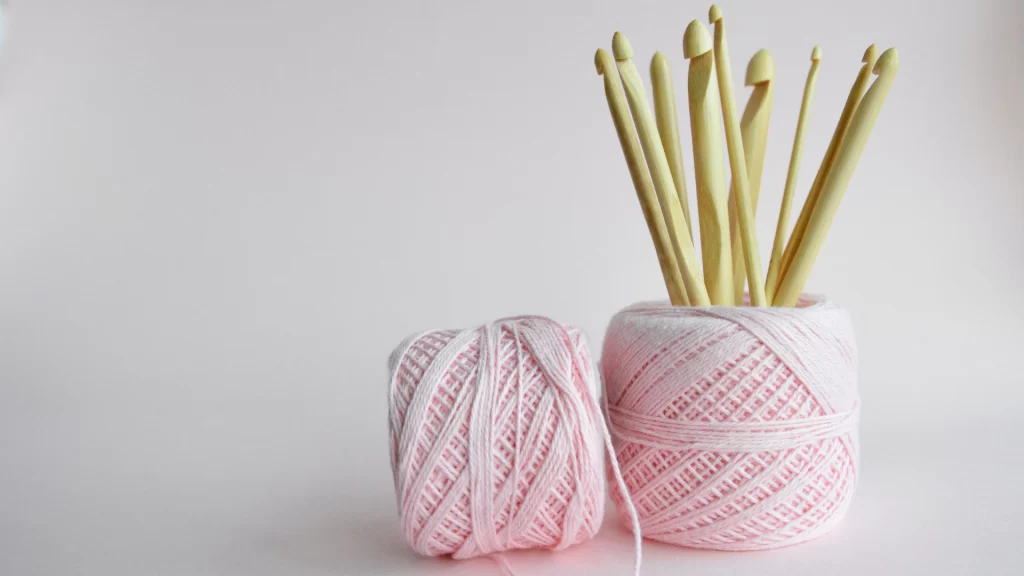
Knitting is a classic grandma hobby known for its soothing rhythm. The repetitive motion of the needles allows the mind to relax while listening to music, a podcast, or the radio. It becomes a calming ritual that blends creativity with rest. You can knit mufflers and cardigans for your loved ones as an expression of love.
Reading the Newspaper Slowly
Many grandmothers began their mornings with the newspaper reading columns, puzzles, and local stories. Reclaiming this habit today encourages slower thinking and deeper engagement with information, away from the rapid pace of digital news.
How to Start a Grandma Hobby (Without Pressure)
Starting a grandma hobby does not require special skills or expensive tools. The goal is to enjoy rather than seek perfection.
Start small. Choose one simple activity that feels interesting. It could be growing herbs on a windowsill, solving crossword puzzles, or writing a letter to a friend.
Use what you already have. A notebook can become a scrapbook. A kitchen pot can start a small fermentation experiment. You do not need to buy many supplies.
Allow yourself to be a beginner. Grandma hobbies are about process, not performance. Your first loaf of bread may not look perfect, and that is okay. If you don’t have any idea how to do it, you can learn from your mothers or grandmothers, or simply use your time online to learn it.
Make it part of a slow routine. Spend a few quiet minutes on the hobby in the evening or during the weekend. Treat it as a small pause rather than another task. it’s okay if you miss a day or two.
Follow your curiosity. If one hobby does not feel enjoyable, try another. The beauty of grandma hobbies lies in experimenting and discovering what feels calming to you.
Grandma hobbies teaches us to be patient and appreciate waiting:
Waiting for the dough to rise.
Waiting for the rain to stop so you can weed the garden.
Waiting for the next row of lace to reveal the pattern.
These simple practices invite us to reconnect with everyday moments and rediscover the quiet joy of doing things slowly.
We spend so much money on apps and services to help us ‘ground’ ourselves, but how many of us have noticed the rituals our parents have been performing for decades the ones that keep them tethered to the earth while we float in the cloud?